Everyday Nutrition Habits

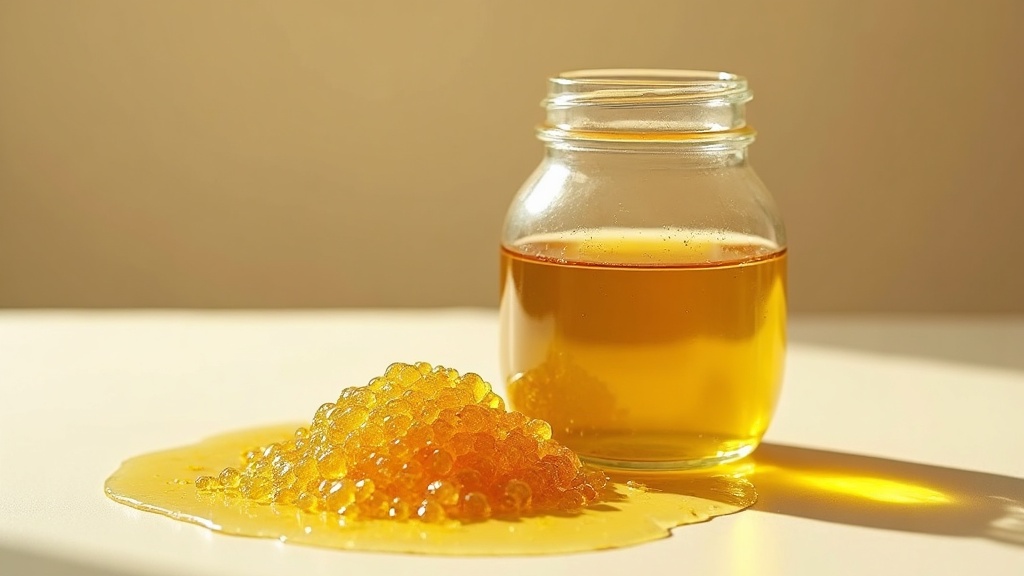
Biblical drink (oil)/ Honey blend Takes Center Stage in a Closer Look at Everyday Eating Rhythms and Post-Meal Habits

This page walks through the traditional story behind Biblical drink (oil)/ Honey blend, how it shows up in old-world kitchens, and how simple habits — like a short walk after eating — fit into an everyday routine, always alongside the guidance of the healthcare provider who already knows your history.

Everyday Nutrition  ·  Daily Habits  ·  Educational Content  ·  Everyday Nutrition

The Everyday Rhythm of Watching What You Eat

For a lot of people keeping an eye on their blood sugar, the hardest part isn’t a single big decision — it’s the small ones that repeat every day.

The Weight of Every Plate

Deciding what goes on the plate three times a day, every day, can turn into its own kind of tiredness — a background hum of 'is this the right choice' that never fully switches off.

The After-Lunch Dip

That heavy, foggy stretch in the early afternoon is familiar to almost anyone who pays attention to how meals make them feel — a slump that shows up right when focus is needed most.

Mornings That Start Slow

Some mornings feel like they need an extra gear just to get moving, even after what seemed like a reasonable night and a reasonable breakfast.

Too Much Conflicting Advice

Between headlines, family opinions, and old habits, it's easy to lose track of what a sensible, everyday meal actually looks like.

Myths vs. Facts: What Gets Said About Food and Blood Sugar

Some ideas about carbohydrates, fruit, and ‘special’ food get repeated so often they start to sound like fact. Here’s a plainer look at three of them.

MYTH

Fruit is basically sugar and should be avoided altogether.

FACT

Whole fruit comes packaged with fiber and water, which is a very different eating experience than sugar on its own. How fruit fits into a day is a conversation worth having with a dietitian or doctor, not a blanket rule.

MYTH

There is a special category of ‘diabetic food’ that is automatically the safer choice.

FACT

Packaging that says ‘diabetic-friendly’ doesn’t automatically mean a food fits every person’s routine. Reading the actual ingredient list — and checking in with the professional who follows your care — tends to matter more than the label.

MYTH

All carbohydrates behave the same way and should be cut out entirely.

FACT

Carbohydrates show up in everything from leafy greens to bread to legumes, and they don’t all behave the same way in a meal. Broad elimination isn’t a decision to make alone — it’s worth discussing with a healthcare provider before changing an established way of eating.

A Simple Way to Think About Meal Habits

None of this replaces medical care or a treatment plan already in place — it’s simply a way of thinking about the everyday structure of a meal, alongside whatever routine a doctor has already recommended.

01

Give the Meal a Steady Pace

Eating slowly, with a few pauses instead of rushing through a plate, is a habit many people notice and mention on its own, separate from any specific food choice.

02

Add a Short Walk Afterward

A brief, easy walk after eating — even just around the block or up and down a hallway — is a habit some people build into their day simply because it feels like a natural close to a meal.

03

Notice the Order of the Plate

Some people like to start with vegetables, then protein, then everything else, simply as a way of pacing a meal rather than as a strict rule to follow.

A Kitchen Tradition With Ancient Roots

Long before nutrition labels existed, honey and oil were kitchen staples across the Mediterranean and the Near East, often blended together and drizzled over bread, folded into simple grain dishes, or stirred into warm drinks at the end of a meal. Old texts and traditional cookbooks describe this pairing as a marker of hospitality — something offered to guests, used in daily cooking, and passed down through households rather than written into any medical manual. Biblical drink (oil)/ Honey blend, in that sense, is less a modern invention than a revival of an old pantry combination, rooted in culture and cuisine.

The story here is a culinary one — about how two everyday ingredients ended up sharing space on the same table for centuries — not a claim about what that pairing does inside the body.

Everyday Signals Worth Bringing Up With Your Doctor

Recurring Afternoon Energy Crashes

If a similar slump shows up after meals again and again, it's worth mentioning at your next appointment so your doctor can look at the full picture.

Thirst That Feels Unusually Persistent

Noticing that you're reaching for water far more than usual, repeatedly, is the kind of pattern to raise with the professional who manages your care.

Cuts or Scrapes That Seem Slow to Heal

Healing that feels slower than expected is worth describing to your doctor directly, rather than trying to interpret it on your own.

Changes in Vision That Come and Go

Blurriness that appears and fades, especially around meals, deserves a conversation with your eye doctor or primary care provider.

Tingling or Numbness in Hands or Feet

Any new tingling, numbness, or discomfort in the extremities is worth flagging to your healthcare provider promptly.

A Family History You Haven't Discussed Recently

If close relatives manage similar concerns and it's been a while since your last check-in, it may be a good moment to schedule one and talk through your routine together.

How People Talk About Their Routines

I used to dread figuring out lunch every single day. Building a simple order to my plate and taking a short walk afterward gave the whole afternoon a bit more structure — nothing dramatic, just calmer.

Marisol Fennwick
Illustrative account
The walk after dinner became a small ritual for my wife and me. It's ten minutes, tops, but it changed how the evening feels compared to just sitting down right after eating.
Desmond Okafor
Illustrative account
Learning about where honey and oil blends came from in old cooking traditions made meal planning feel less like a chore and more like something with a bit of history behind it.
Priya Ashworth
Illustrative account

These accounts reflect individual routines and personal experience only. They are not a guarantee of any outcome, and they do not describe changes in medical test results, glucose readings, or medication use. Always consult your own healthcare provider before adjusting your diet, routine, or treatment plan.

See the Full Story Behind Biblical drink (oil)/ Honey blend

Watch the video to learn more about the tradition, the history, and how simple everyday habits like a short post-meal walk fit into a broader routine — always in coordination with your doctor, and never as a replacement for the care plan you already follow.

Advertising Disclosure: This page contains sponsored content and affiliate links. We may receive compensation if you click a link or make a purchase through the links provided on this page. This helps support the operation of this website at no additional cost to you.

Content Disclaimer: This content is for educational and informational purposes only. It has not been evaluated by the Food and Drug Administration. Nothing on this page is intended to diagnose, treat, cure, or prevent any disease, and it does not substitute for professional medical advice, diagnosis, or treatment. Always consult a qualified healthcare professional before making any changes to your diet, daily routine, or any prescribed treatment or medication.

Results Disclaimer: Individual results and experiences vary. Any testimonials or personal accounts shared on this page reflect individual opinions and are not a guarantee of similar results for anyone else.

© 2026 · All Rights Reserved